What Causes Soil Erosion? 7 Ways to Prevent Erosion

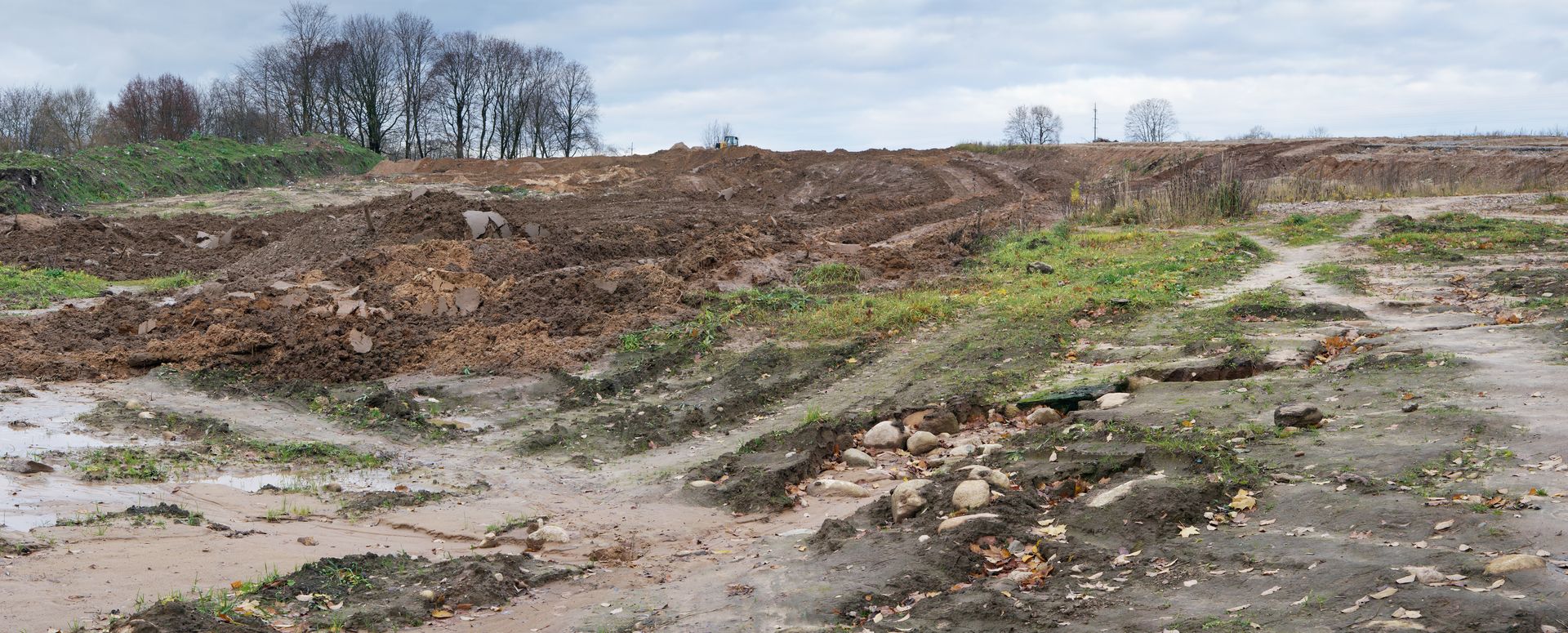
Soil erosion is primarily caused by natural forces like water and wind, which loosen and displace topsoil.

This process is significantly accelerated by human activities such as deforestation, overgrazing, intensive farming, and construction, which strip away protective vegetation and leave the soil vulnerable to the elements.…

read more

What’s the Best Grass Seed for Effective Erosion Control?

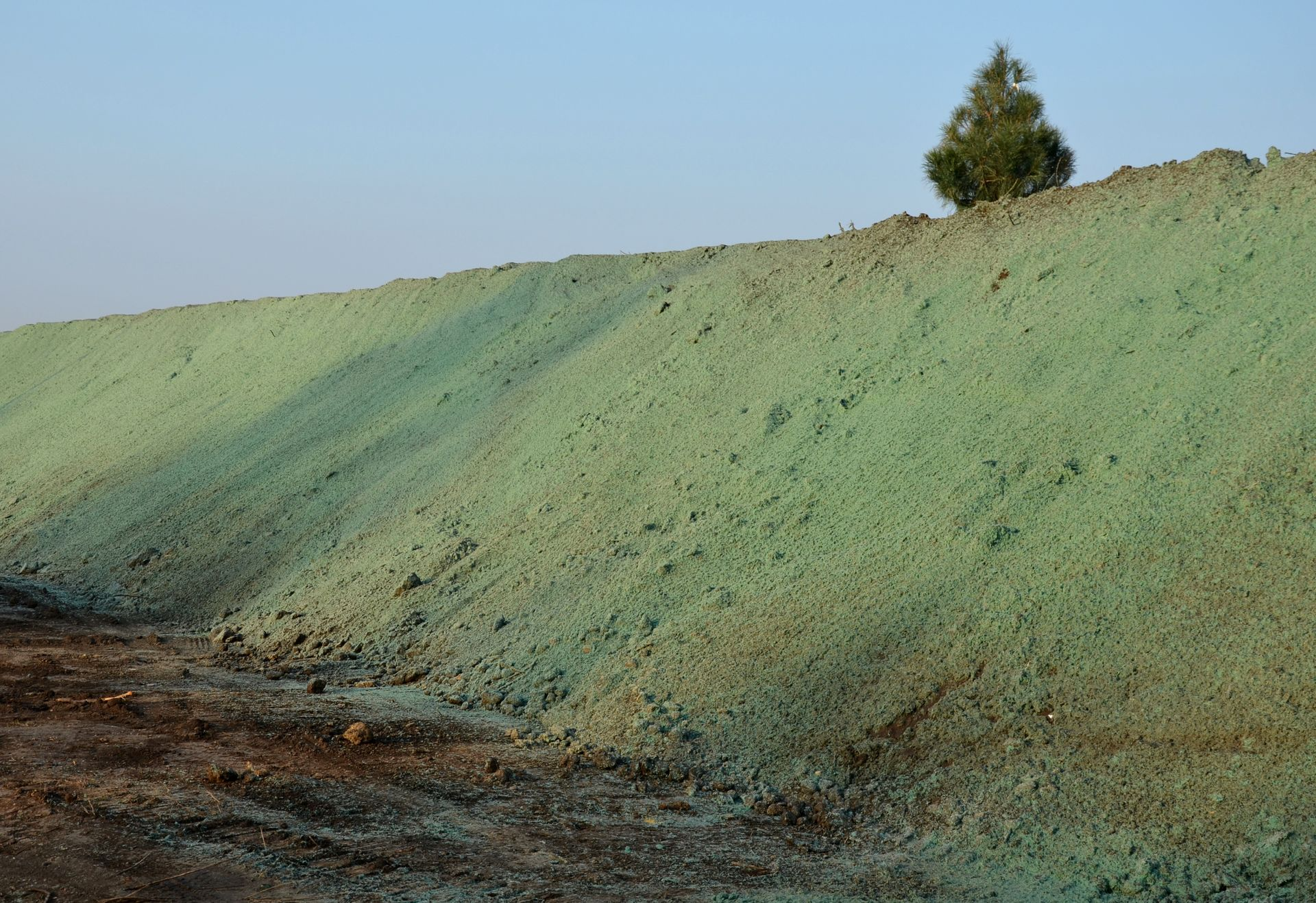
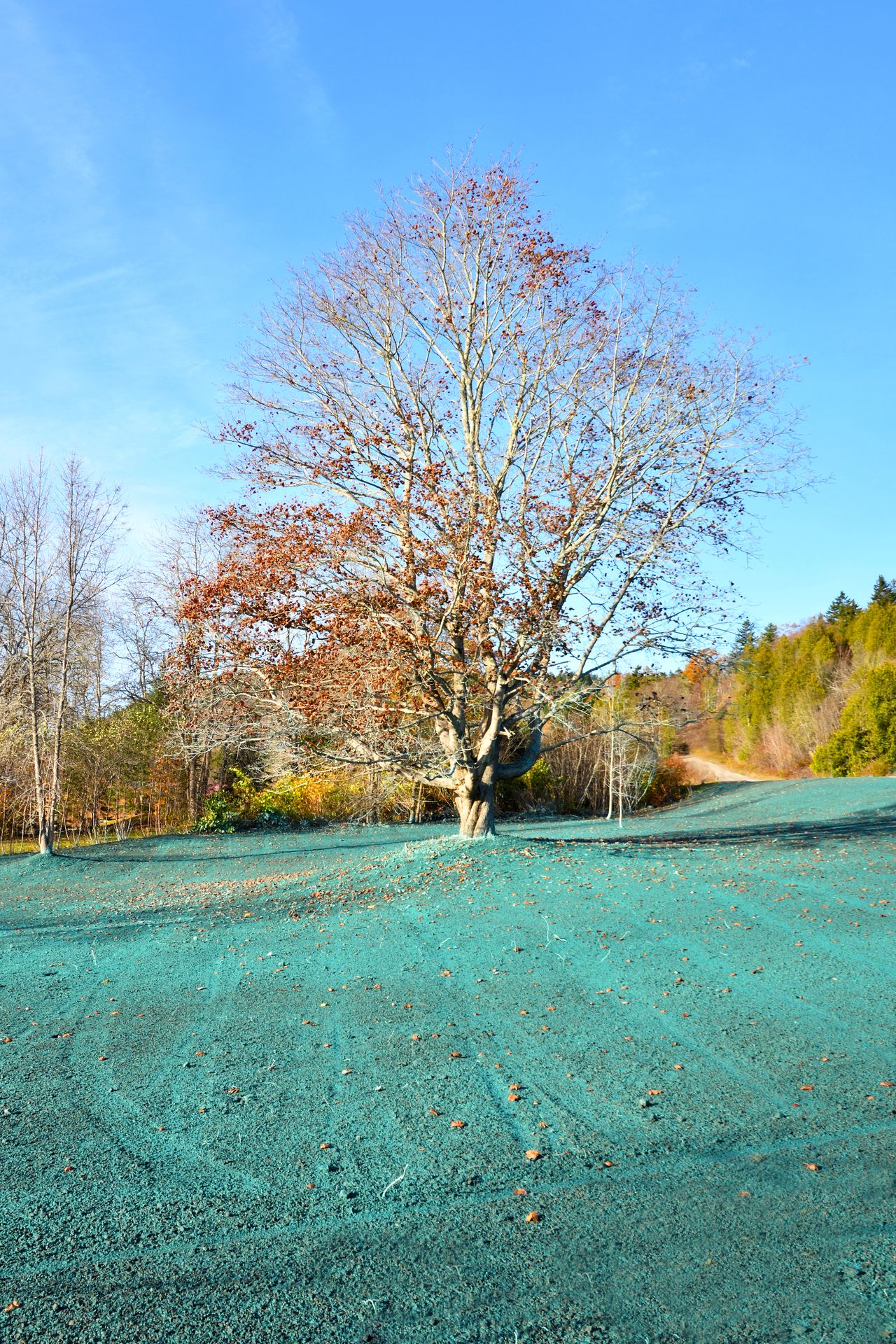
The best grass seed for effective erosion control depends on your climate and soil type, but deep-rooted, fast-germinating perennial ryegrass and tall fescue are widely considered the top choices for immediate soil stabilization.

For long-term stabilization, a blend of quick-establishing cool-season grasses paired with hardy, deep-rooted native warm-season grasses (such as Bermuda grass or permanent native mixes) provides the best defense against soil washout on vulnerable hills, slopes, and construction sites.…

read more

How to Use Check Dams to Control Runoff Velocity

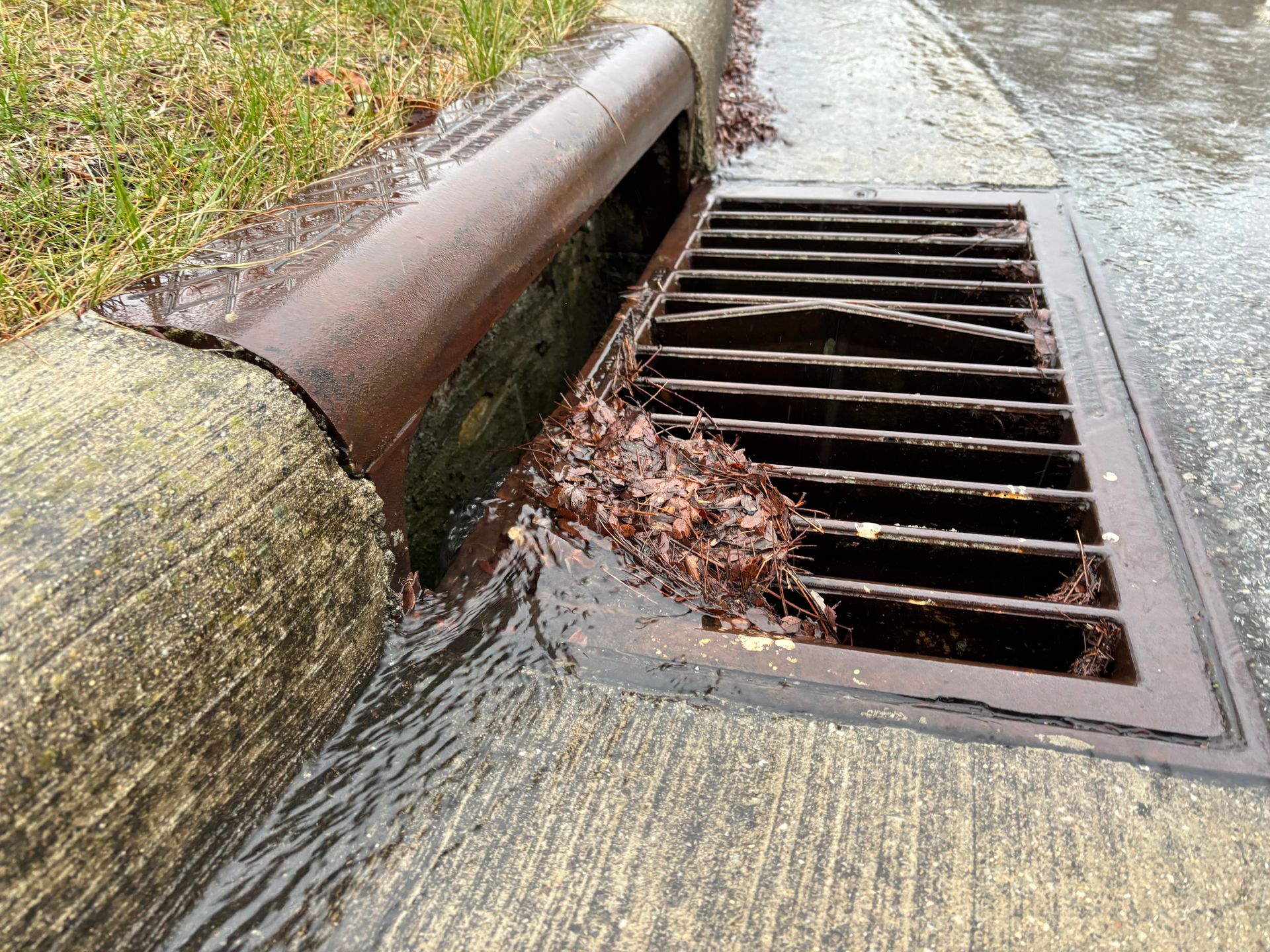
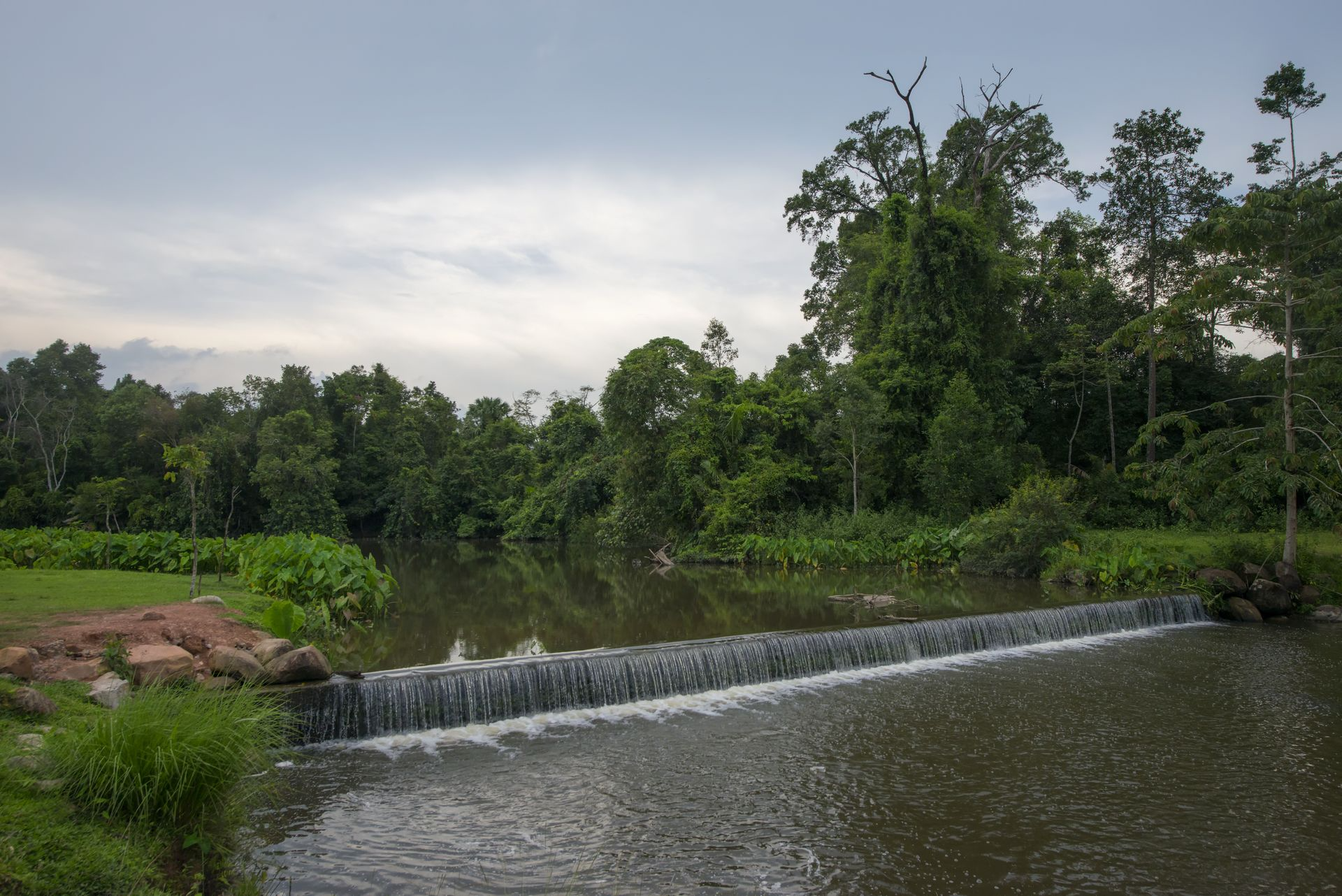
Installing check dams in drainage channels dissipates runoff energy, preventing erosion and sedimentation that can pollute local water systems.

Uncontrolled stormwater runoff is a primary driver of soil loss and water quality degradation on construction and industrial sites. As runoff velocity increases, its erosive power grows exponentially, leading to channel incision and the transport of pollutants into local watersheds.…

read more

What Exactly Is a Stormwater Management Plan?

A stormwater management plan is a technical document that outlines best management practices (BMPs) to control the quantity and quality of runoff from precipitation.

These documents are officially governed by federal, state, and local regulatory agencies—primarily under the Clean Water Act’s National Pollutant Discharge Elimination System (NPDES).…

read more

How Construction Track Out Controls Reduce Pollution

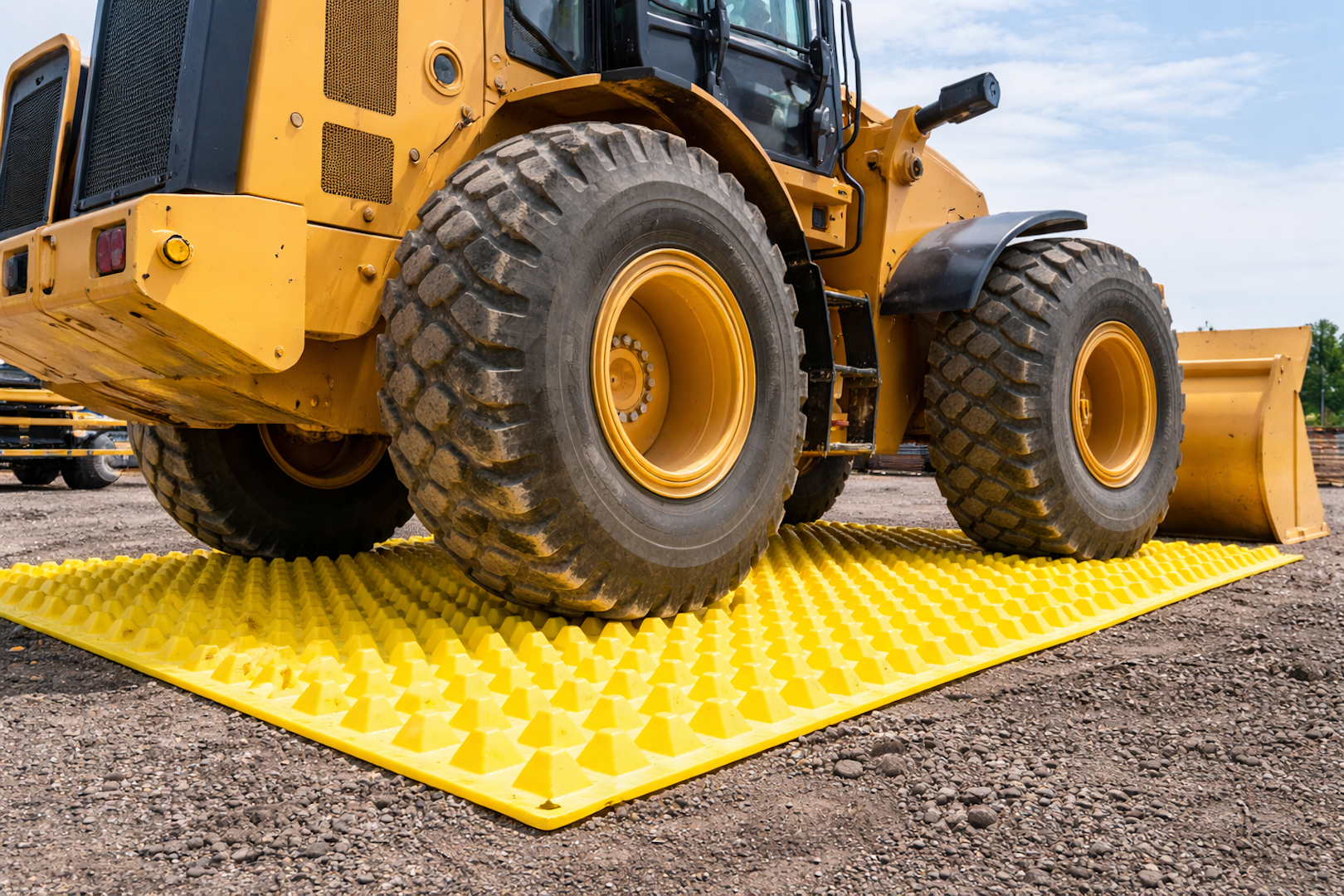
Construction sites generate massive amounts of debris daily, but the most significant environmental threat often leaves the site on four wheels. Track out—the mud, sediment, and concrete dust hitched to vehicle tires—quickly spreads from job sites to public roads, where it creates hazardous driving conditions and contributes to severe air and water pollution.…

read more

What Are BMPs in Erosion Control: 9 Examples

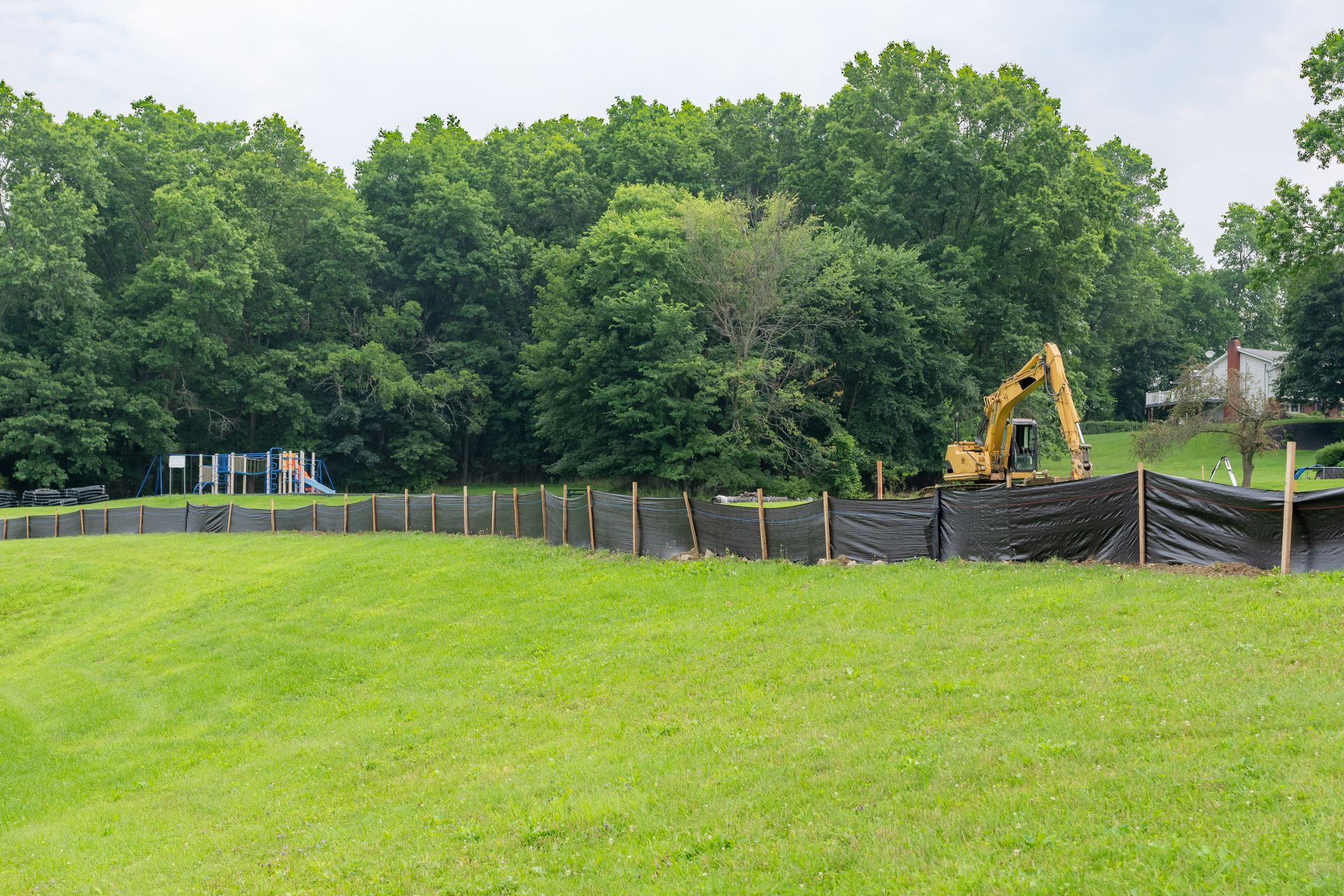
In construction, Best Management Practices (BMPs) are the standardized techniques and structures used to prevent sediment and pollutants from leaving a job site. These controls are required to meet federal NPDES requirements and protect local infrastructure.

Unmanaged runoff from exposed soil can erode up to 100 times faster than natural land, making construction sites a primary source of water pollution.…

read more

Erosion and Sediment Control: Beginner’s Guide

Erosion and sediment control reduce the effects of land disturbance and control stormwater runoff to prevent erosion, pollution, and flooding.

Most regulatory authorities require erosion and sediment controls on active construction sites when runoff is discharged into public conveyances.

Under federal permitting guidelines, worksites must manage drainage, slopes, stabilization timelines, inspection schedules, and runoff discharge points under your Stormwater Pollution Prevention Plan (SWPPP).…

read more