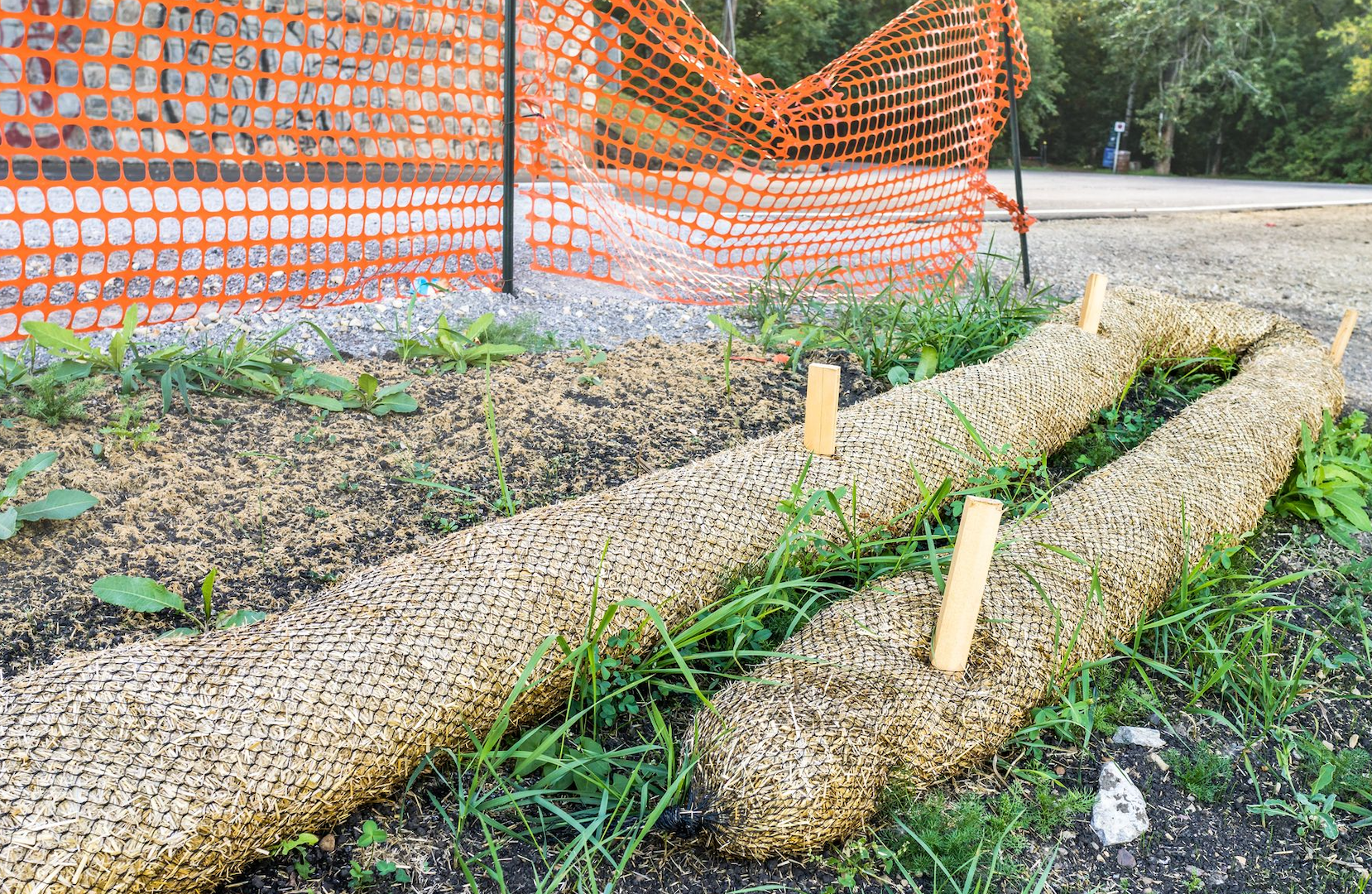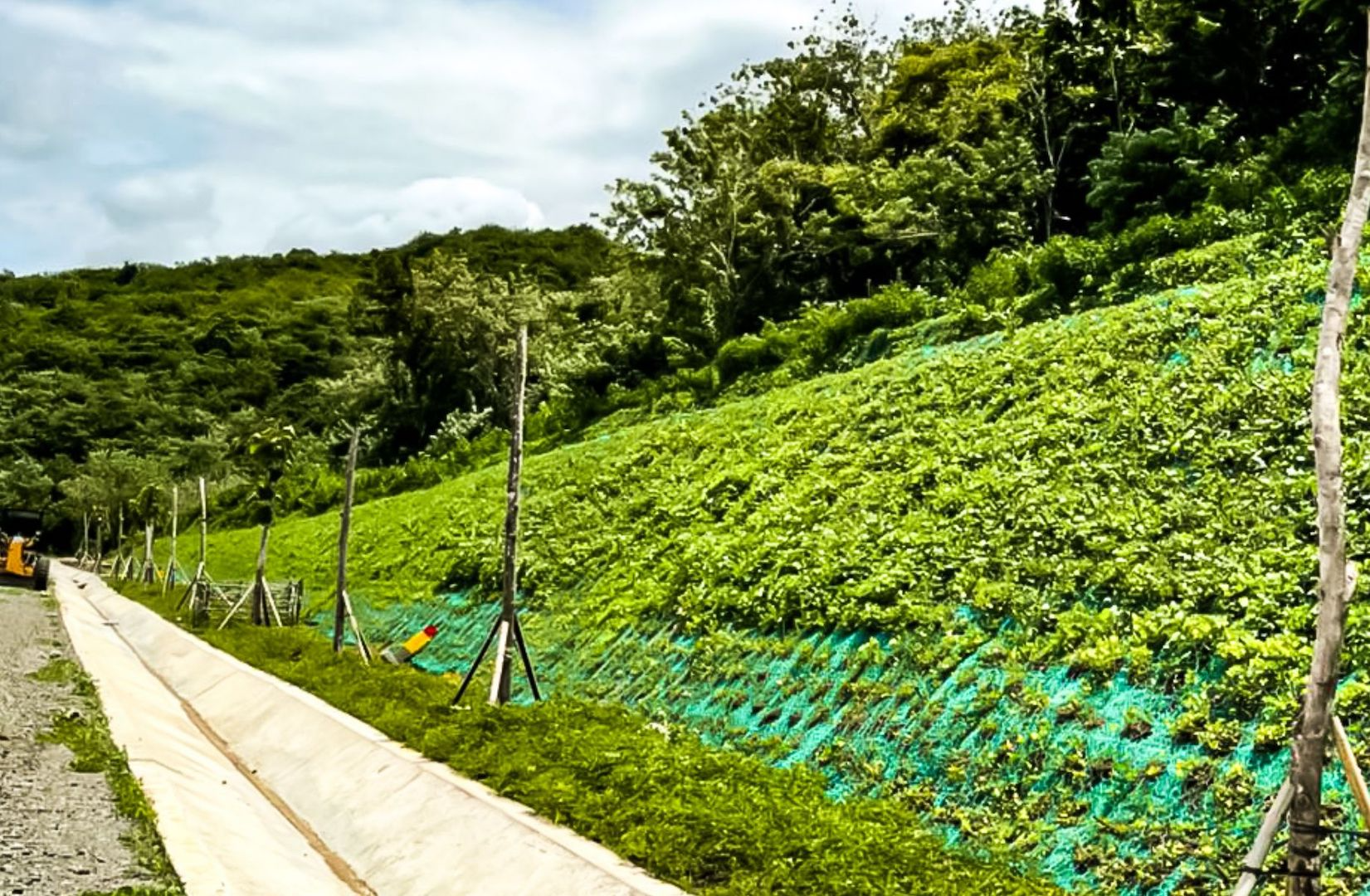
can silently undermine construction projects, landscaping work, and even entire ecosystems if left unchecked. Whether you’re stabilizing a steep slope, protecting waterways, or safeguarding newly cleared land, erosion control tubes are one of the most effective and environmentally friendly tools available today.…
read moreCategory: Education
Site Grubbing and Land Clearing: What’s the Difference
Land development projects are rarely limited to dirt and soil. Rocks, roots, and shallow water can quickly complicate land clearing projects and require additional planning.
Beyond standard mulchers, rollers, and rakes, specialty equipment, such as augers, hydraulic, and bush hogs, is often required to deal with stubborn earth materials.…
read moreTemporary vs. Permanent Seeding Solutions for Erosion Control
Seeding is one of the most effective and environmentally friendly solutions available for erosion control. Establishing vegetation cover protects exposed soil, reduces sediment runoff, and improves long-term site stability.
However, not all seeding strategies are the same. Depending on your project’s timeline, site conditions, and regulatory requirements, you may need to choose between temporary seeding, permanent seeding, or a combination of both.…
read moreWhat Are Erosion Control Blankets? Here’s How to Choose the Right One
Natural erosion control methods are usually more cost-effective and sustainable, but sometimes site projects call for synthetic controls to protect bare soil and allow for seed germination.
Erosion control blankets (ECBs)–available in synthetic and natural blends–offer a temporary solution for erosion control on steep slopes or areas vulnerable to sedimentation.…
read moreHydroseed vs. Sod: Which Seeding Technique Is Better for Large-Scale Projects?
Temporary seeding is essential to erosion control, especially on slopes and surfaces vulnerable to surface runoff.
Not only are seeding techniques generally cost-effective, but they also make the process of revitalizing impacted areas from construction or excavation simpler.
Among the various seeding options that construction companies and excavators can use to establish grass, hydroseeding and sod remain the most popular.…
read moreYour Guide to Finding the Right Type of Silt Fencing
Silt fencing is one of the most widely used erosion control measures on construction sites. While silt fencing may seem like a simple piece of black mesh strapped to wooden beams, there are close to half a dozen different types of fences, each with their unique benefits.…
read moreHow Does Curlex Compare to Straw for Erosion Control?
While straw erosion control blankets have been the industry standard for decades, in recent years, stronger alternatives like Curlex®—a proprietary curled wood fiber mat made by American Excelsior Company—have gained traction for their natural performance advantages.
Not only do Curlex fibers have a higher Manning’s N (i.e.,…
read moreBobcat Services: 7 Benefits of Professional Skid Steer Services
Land clearing is an essential starting point for any construction project, but it is also one of the most environmentally disruptive and expensive parts of the entire project.
Tools like skid steers and bobcats help manage costs and provide greater precision compared to larger excavators, allowing construction managers to properly phase land clearing and minimize their impact.…
read moreHow to Employ Level Spreaders to Manage Stormflow
To the layman, stormwater management may seem like a simple enough process–how hard is it to stop and control water?
However, when you get down to the physics of stormwater runoff, you soon realize that managing erosive stormwater, especially across a large land mass, can be extremely difficult and technical.…
read more